Why I Never Separated Beauty From Function
October 7, 2026
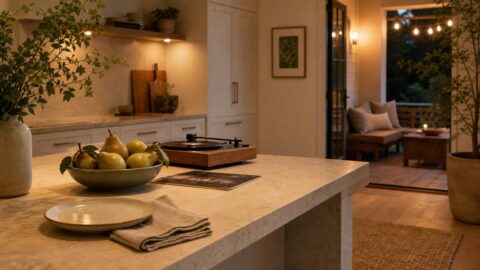
When people talk about designing a home, beauty and function are often presented as competing choices. A room can be lovely, or it can work for real life. A house can feel elevated, or it can be practical.
I never understood the separation.
To me, a beautiful house that frustrates the people living in it is unfinished. A practical house that ignores proportion, light, material, and feeling has also left something important undone. The work was always to bring those needs together.
Begin with the people, not the plan
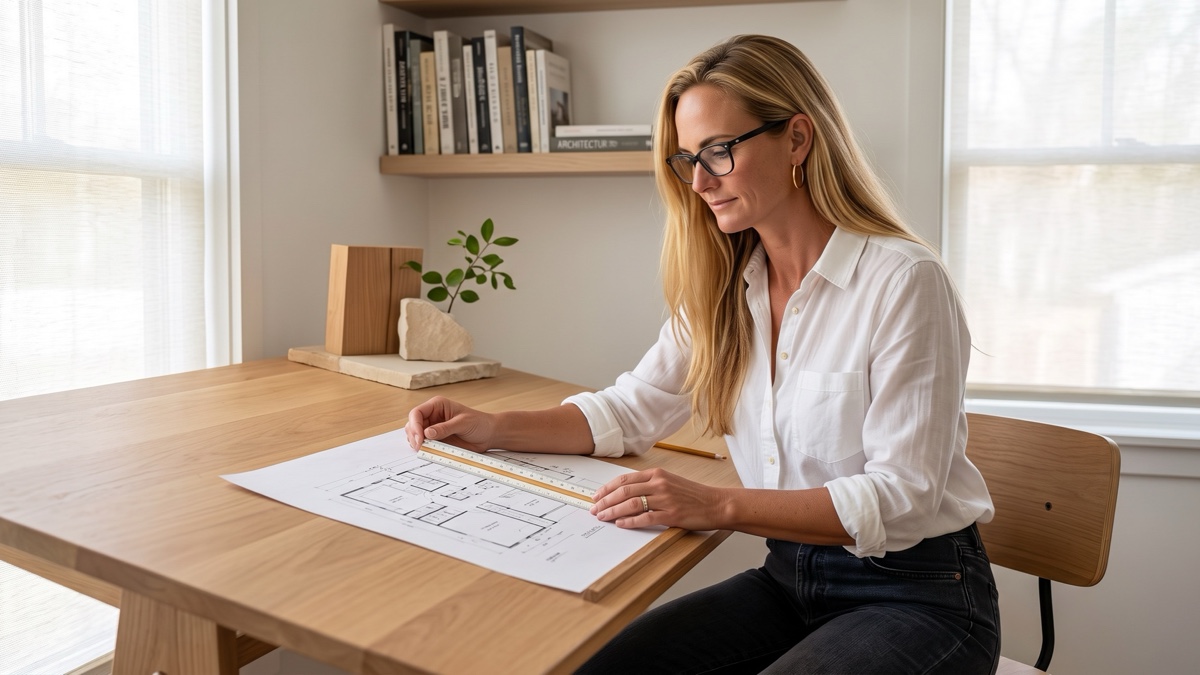
When I designed custom homes, I did not begin by imposing a look. Before the first serious design conversation, clients completed a lifestyle questionnaire I had developed over years. It eventually grew to roughly forty pages because a house cannot serve people the designer has not bothered to understand.
I wanted to know how they moved through a day, what they owned, how they cooked, gathered, worked, rested, and stored the things their life actually required. I thought about where an object would go before drawing a space that claimed to hold it. Wasted square footage did not become useful simply because it was expensive.
That process often made me known as a functional and efficient designer. I took that as a compliment. Efficiency did not mean stripping a home of soul. It meant using every inch deliberately so beauty could support daily life rather than obstruct it.
Luxury taught me to notice
My first professional work involved highly custom residential projects at an unusual scale. That experience taught me craftsmanship, proportion, detail, and the expectations surrounding a deeply considered home. It trained my eye to see the difference between something merely expensive and something thoughtfully resolved.
Later, I carried those lessons into smaller and less expensive homes without assuming the same budget had to follow. Good proportion is not reserved for a mansion. Thoughtful storage is not a luxury. A room arranged around the way a family actually lives can improve daily life without requiring extravagance.
Authenticity requires research
When a client wanted a home rooted in a historical style, I studied the architecture and the place that produced it. Tuscan, French provincial, and Creole homes were not interchangeable collections of decorative finishes. Their forms developed through climate, materials, culture, craft, and ways of living.
Research helped me understand which details carried meaning and which ones were only imitation. I loved that part of the work because architecture was never merely utilitarian to me. It was art people would inhabit.
That is still how I think about home. A room should not have to announce its intelligence. You feel it when the light is right, the chair sits where conversation naturally happens, the things used every day are easy to reach, and the room reflects the people who live there instead of a temporary idea of what a home should look like.
The same question still guides me
I am no longer sitting at a drafting table designing custom houses, but the same instinct appears throughout Botanic Living and Botanic itself. Who is this for? How will it be used? What will make the ordinary experience easier, clearer, or more beautiful? Is the detail thoughtful, or is it present only to impress?
Function without beauty can make life feel mechanical. Beauty without function can make people feel as though they are intruding on their own home. The best design respects both.
A home should be deeply specific to the people living inside it. That is not a compromise between beauty and real life. It is where beauty begins.
With love and intention,
Jennifer