
November 10, 2026
A draft is easy to feel and surprisingly easy to misdiagnose. Cold air at an exterior door may come from a worn seal, a gap at the threshold, pressure changes in the house, or simply a cold surface that feels chilly when you pass it. Before buying a measuring gadget, try a paper test. It will not tell you everything, but it can show whether the door is gripping its seal evenly.
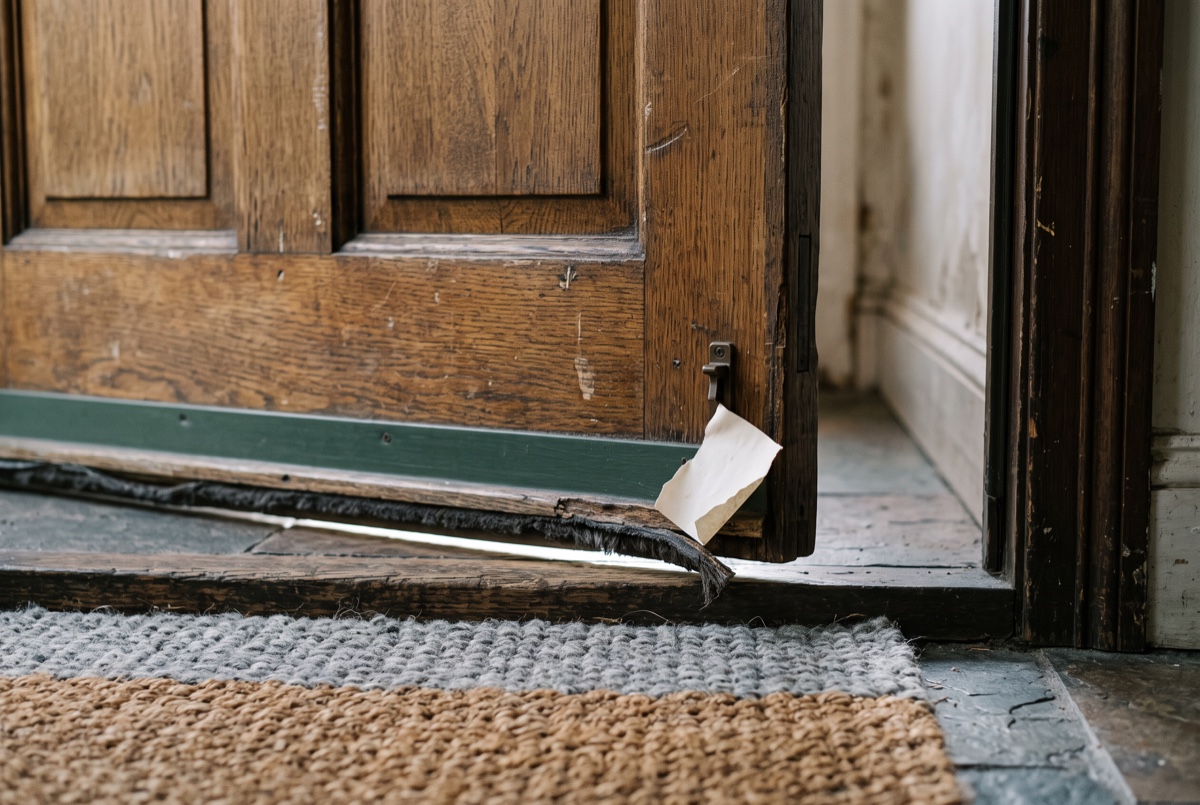
Start with the paper
Choose an ordinary sheet of printer paper. Open the door, place the paper across the contact area between the door and its frame, and close the door gently. The paper should be held by the closed door. Do not slam it, force the latch, or put your fingers where they can be pinched.
Try the test at several points: near the latch side, near the hinges, at the top corner, and at the bottom corner. If the paper pulls out with similar resistance around the door, the seal is at least making reasonably consistent contact. If it slides out easily in one section but feels held in another, you have found a place worth looking at more closely.
What the test can and cannot tell you
This is a contact test, not a laboratory measurement. It can suggest that a weatherstrip is compressed unevenly or that the door is not meeting the frame squarely. It cannot measure air leakage, prove that a particular part needs replacing, or distinguish every source of cold air.
Repeat the test on a day when the door is dry and the latch is working normally. A swollen wood door, a loose hinge, or a lock that is difficult to engage may change the result. Note the location instead of turning one observation into a whole-house repair project.
Look before you adjust anything
Inspect the seal and threshold in good light. Look for a seal that is cracked, flattened, detached, or visibly out of position. Check whether the door closes evenly and whether the threshold appears loose. Dust and grit can also keep a door from making a clean contact, so remove loose debris with a soft brush or vacuum attachment first.
Do not casually remove trim, drive screws into the frame, or add adhesive foam because a corner feels cold. Exterior doors and their surrounding materials vary. If the door is difficult to close, the frame looks shifted, moisture is present, or the draft is substantial, consult the door manufacturer or a qualified repair professional.
Use a second clue
On a windy day, hold a narrow strip of tissue paper near the closed door, without touching a hot surface or an open flame. Movement can help you notice air motion, but it is not a substitute for safe inspection. Keep the tissue away from candles, burners, heaters, and electrical equipment. If you use a smoke pencil or another specialized method, follow its instructions and avoid improvised flame tests.
Also notice whether the cold sensation is at the perimeter of the door or across the door itself. Glass, metal, and other materials can feel cold without an obvious air leak. Condensation, staining, or a persistent damp area deserves separate attention because it may involve moisture management rather than weatherstripping alone.
Make the next action small
Write down the door, the test locations, and what you found. If one section consistently releases the paper easily, photograph the seal and take the manufacturer’s instructions with you when you look for a replacement. If the results are even, close the door, note the date, and observe the room on a windy or colder day before spending money.
It can help to test one door at a time rather than comparing every exterior opening in the house. Different doors have different materials, exposure, and age. A back door used constantly may need a different kind of attention from a rarely opened guest-room window. Keep the note factual: easy release at the lower latch side, visible gap, door closes normally. That description is more useful than a general verdict that the house feels drafty.
The useful household habit is not owning a tool for every question. It is learning which question a simple test can answer. A piece of paper can tell you where to pay attention. It cannot make the repair decision for you, and that is perfectly enough for a first pass.