The Calling I Thought Had Passed Me By
October 12, 2026
Years ago, when my children were younger, I carried an idea that joined two parts of my life. I had worked as a residential designer and home builder, so I understood what walls, rooms, furniture, and finishes could do. They could make a house functional and support daily life. But they could not create the life inside it.
During those years, I returned often to Sally and Sarah Clarkson’s The Lifegiving Home and to Sally Clarkson’s wider work. Their writing helped me put words to something I was already learning: home is shaped through ordinary practices, the values people live, and the care they give one another. I began to wonder whether I might one day help other people think about creating homes, not by constructing houses for them, but by talking about the life built inside.
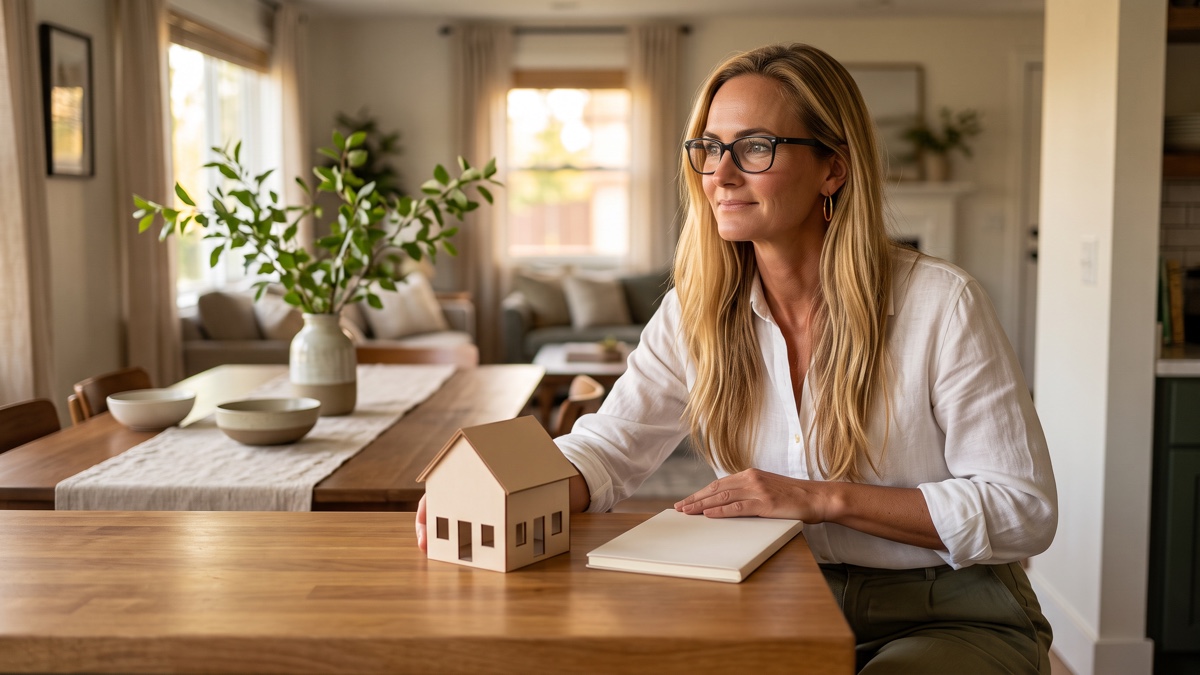
The idea was larger than designing
I never imagined one correct look or one kind of household. My professional work had already taught me that a dwelling needs to function for the people who actually live there. People need places to sleep, sit, cook, work, gather, and keep the things they use.
Those choices matter, but they can only carry part of the weight. Furniture cannot decide how people speak to one another. A beautiful room cannot create welcome by itself. A kitchen can make a meal easier to prepare, but it cannot supply the care and attention brought to the table.
Furnishing makes a house functional. People and practiced values make it a home. That deeper work takes intention and effort, and it happens through what is practiced often enough to become part of a household’s character.
The calling seemed to belong to another season
For a long time, I imagined that this work might become a separate outreach. I thought about it often during those earlier years, then life continued to fill with responsibilities and other work. I never developed the organization I had pictured, and eventually I assumed the time for it had passed.
I no longer expect to build the original idea exactly as I once imagined it. But the desire to help people think about the life they create at home did not disappear.
Botanic Living may be the form that fits now
When I look at what Botanic Living can hold, I recognize pieces of that earlier hope. We can talk about homekeeping without pretending a spotless house creates peace. We can talk about food as practical care and a reason to gather. We can explore design, restoration, books, music, gardens, nature, traditions, useful objects, and the small decisions that shape the feeling of ordinary days.
These stories can be personal without asking anyone else to reproduce my household. They can offer practices, questions, and encouragement that readers adapt to their own lives. A home can be cultivated by one person or many, in an apartment, a rented room, a shared place, or a house held for years. It does not require a particular income, faith, gender role, family structure, or stage of life.
Perhaps Botanic Living is the small, faithful expression of a calling I thought had passed me by. It gives me a place to bring together design, home, food, hospitality, nature, business, and the lessons I have gathered through living them.
I may never build the separate organization I pictured years ago. Perhaps I do not need to. The work can begin here, one useful story at a time.
With love and intention,
Jennifer