The First Lamp-On Hour of Fall
October 16, 2026
By late October, the house can feel dim before anyone has finished the day. Daylight leaves the kitchen, dinner is not ready, and the room looks slightly less welcoming than it did ten minutes earlier.
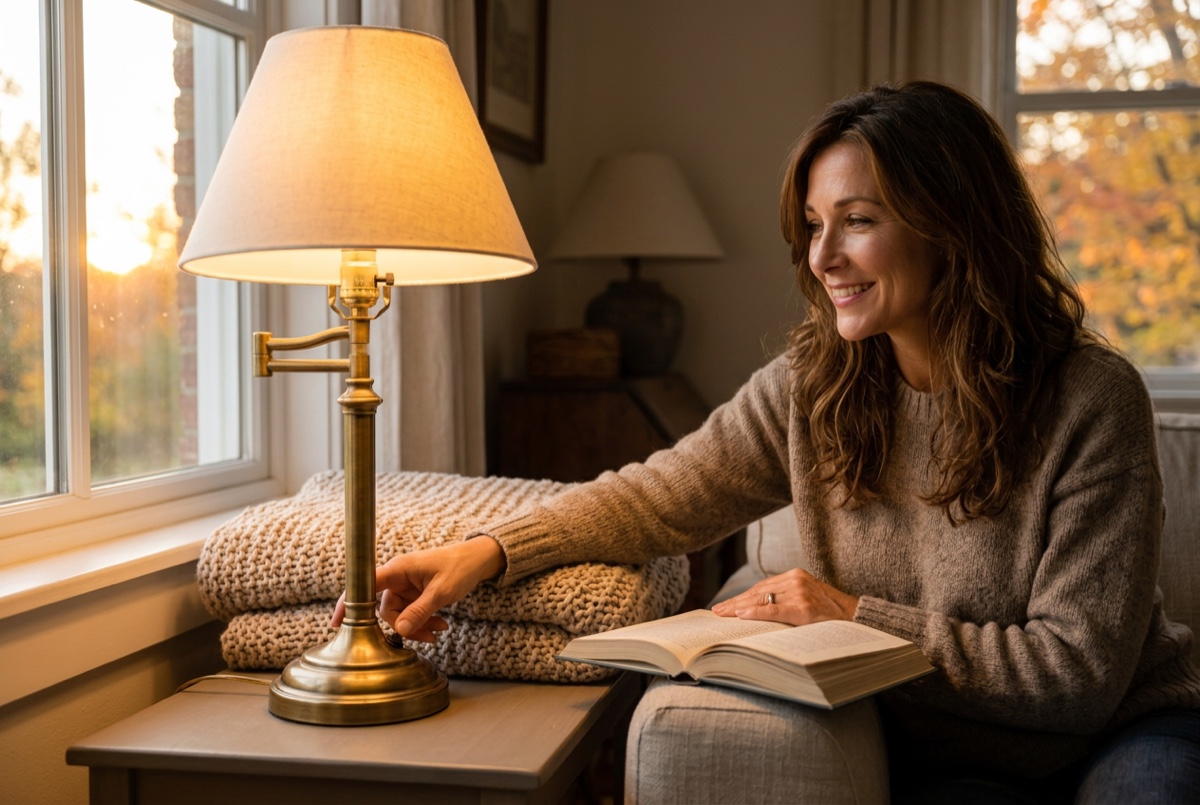
I like to switch on one lamp before the house feels dark. Not every lamp. One. It gives the evening a beginning and keeps the room from becoming a place everyone passes through while waiting for the next thing.
Let the room keep some evidence of the day
I do not clear every surface before turning on the light. A book, a folded blanket, or the cup waiting to be washed can remain. The room should feel cared for, not emptied of its life.
Make the light useful
Put it where someone actually sits, reads, folds, talks, or eats. Warmth comes from placement and use more than from collecting objects that promise atmosphere.
The first lamp-on hour is a small household ritual, but it changes how the evening enters the room.
That first light is also a useful cue to make the room workable. Put a lamp where it serves the activity that actually happens there, and check that its cord is not crossing a walking path. A warm bulb cannot compensate for a bad placement, a dusty shade, or a room where nobody can comfortably sit.
Use the moment as a cue for a small evening check if that helps: close the blinds, move a cup to the kitchen, or put a blanket within reach. Do not confuse atmosphere with a demand to reset the whole room. One working pool of light can make a lived-in room feel intentional, which is a different and gentler goal than making it look untouched.
There is no need to make this a seasonal performance. The lamp can be ordinary, the shade can show that it is used, and the rest of the room can wait until tomorrow. What matters is the small change in the room’s invitation: someone can sit down, see what they are doing, and let the evening begin without another instruction.
With care,
Hazel