Garden Walk: What I Stopped Planting in Texas Heat
September 9, 2026
By the time I have carried a two-gallon watering can to the screen porch six times, I can feel the weight of every planting decision I made months before. The porch is full of plants, and I love the way they soften the wood and turn the screened room into a living place. In the hardest part of a Texas summer, though, some of those flowers can need water almost every day. Beauty has a maintenance schedule.
That has changed the way I look at an empty pot or an open place in the garden. I no longer see every gap as a problem that needs to be solved immediately. Sometimes an empty space is the wisest thing in the garden.
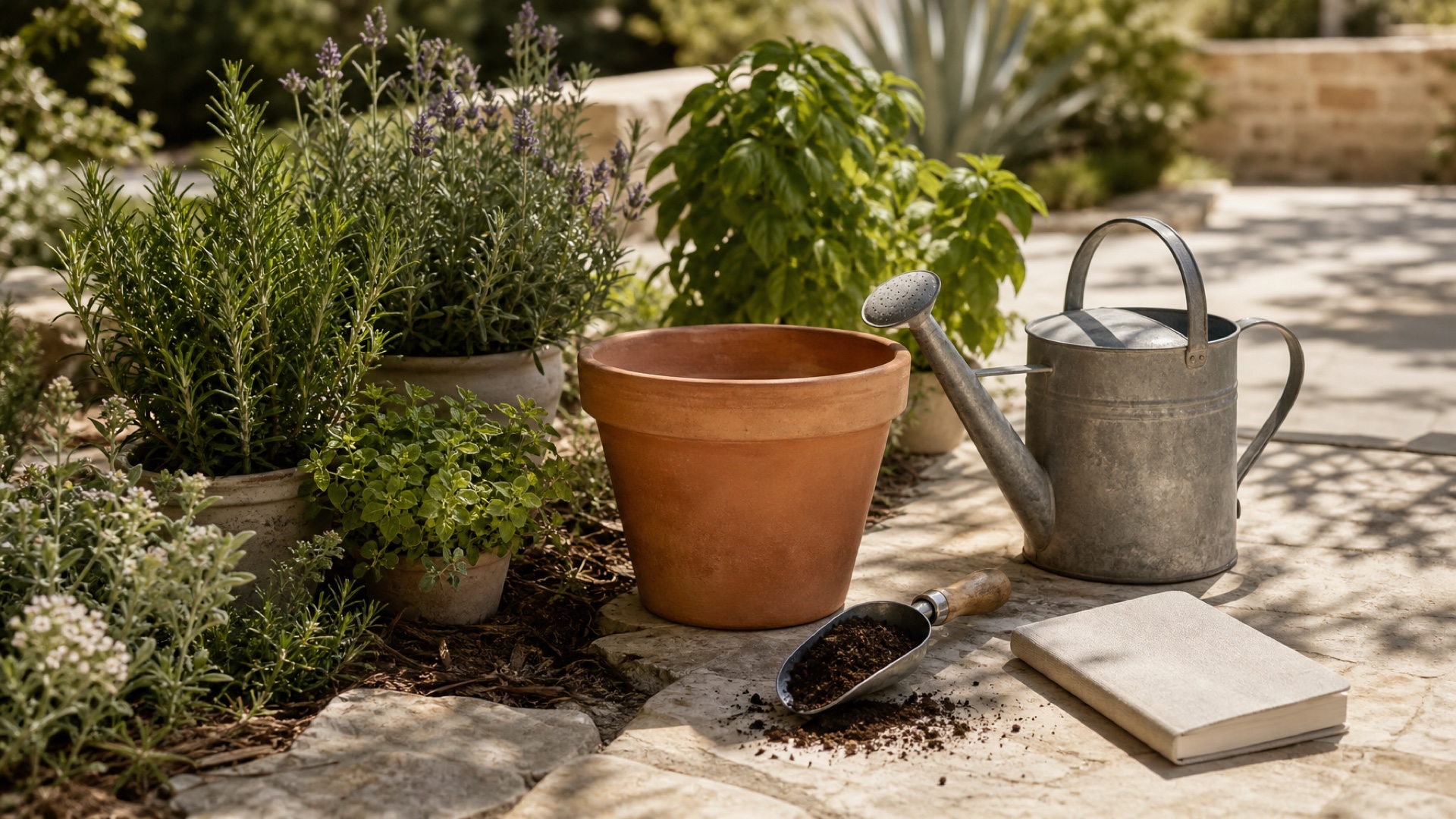
I stopped planting just to fill the space
A beautiful plant at the nursery can make me forget, briefly, where it will have to live. I have learned to look past the first impression and picture the real place: the direction of the light, the heat reflected from stone or wood, the amount of soil around the roots, the drainage after a hard rain, and the care I can honestly give when the week is full.
If the only plan is to keep rescuing a plant from a place it does not suit, it is not a good plan. That does not make the plant wrong. It means I chose beauty without considering belonging. Now I am more willing to leave the pot open, let the bed rest, and wait until I understand what the space can support.
I started reading the site before the season
September may look like fall on a page, but it is still very hot in Spicewood. The afternoon sun can settle over a container with the same force it had in August, and a new plant has no interest in the date printed on its tag or the decorations appearing in stores.
I pay more attention to the conditions in front of me. Is the soil holding moisture or shedding it? Does the site have relief from the strongest afternoon light? Will a new plant have time to establish without becoming another daily emergency? Planting advice also changes by region, crop, and site, so I use local guidance when I am deciding on timing rather than assuming that one fall list applies everywhere.
Preparation is real garden work
Waiting to plant does not mean doing nothing. I can clear what is truly finished, add healthy material to the compost, protect bare soil with mulch, and notice where water moves after it lands. I can clean a pot, check its drainage, and move it before it is full and heavy. I can write down which plants kept giving through the heat and which placements asked too much.
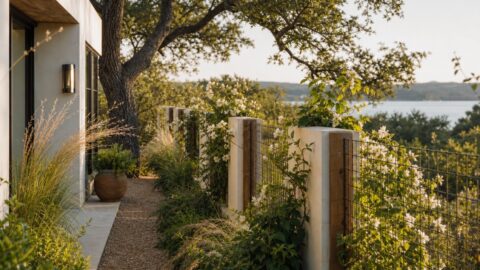
That notebook matters. Basil and peppers have shown me that they deserve space again. Native grasses and wildflowers along the less-tended edges remind me how different a garden feels when a plant belongs to the conditions around it. I do not need every plant to be native or effortless, but I do want its needs to make sense in the place I am asking it to grow.
What I prepare instead
Before buying something new, I prepare the place and answer a few ordinary questions. How much direct sun reaches it, especially late in the day? Does water soak in or run away? How quickly does a container dry? How much care can I give consistently, not only during an enthusiastic first week? What does trusted local guidance say about the planting window?
Those questions are not as instantly satisfying as bringing home another flowering pot, but they make the garden more honest. They help me choose what fits the climate, what we will genuinely enjoy, and what can become part of the life of the house instead of a problem waiting for the next hot afternoon.
There is an empty pot on the porch in the picture I carry in my mind now. It does not look neglected. It looks ready. The soil is not yet in it, and there is no plant to rescue. There is simply a place being prepared for the right thing, at the right time, with a little more wisdom than I had the season before.
With love and intention,
Jennifer