Love, Peace, and Fun: The Three Values I Want at Home
October 28, 2026
If I had to name the first three values I want people to feel in a home, I would choose love, peace, and fun.
Love may sound obvious. Peace may sound serious. Fun may sound less important than the other two. I do not think it is. Together, they create a culture where people feel wanted, can lower their guard, and remember that life is meant to be enjoyed too.
Love should be visible
Love becomes visible through care, time, attention, communication, and saying the words aloud. It appears when people notice what another person needs, make room for conversation, and remain connected through an ordinary day.
Unconditional love does not mean unconditional acceptance of every behavior. A loving home can maintain boundaries around speech, anger, respect, privacy, belongings, peace, and safety. In fact, healthy boundaries can protect love from becoming permission for harm.
The essential message is that a mistake, disagreement, or disappointment does not erase a person’s worth or remove their belonging.
Peace is not the absence of difficult conversations
A peaceful home is not one where no one becomes upset, no problem is named, and every conflict is hidden. That kind of quiet can be fear rather than peace.
Real peace gives people enough security to speak honestly. The issue can be addressed while love remains clear. A genuine apology includes recognizing what happened, understanding its impact, taking responsibility, listening, and attempting repair. Repair may require changed behavior and time, not only the right words.
Hurt should not be swept under the rug, but it should not become someone’s permanent record after it has been honestly addressed. Peace includes a way back, while still respecting that serious harm may require distance, outside support, or stronger protection.
Fun keeps responsibility from consuming everything
Adults often treat fun as a reward that can happen after every responsibility has been completed. The problem is that responsibility is never completely finished.
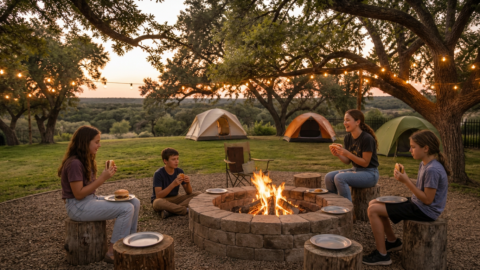
Fun can be music, food, a short card game, making pretzels, sitting outside, taking a drive, or changing the pace of the room. It does not need to be expensive or elaborate. It only needs to interrupt the idea that seriousness is the most responsible way to live.
In our home, one of the easiest ways to restore lightness is moving to the porch with a large glass of iced tea and music. The moment may become quiet, birdwatching, conversation, or a game. The practice works because it is easy to begin and flexible enough to meet the day as it is.
Values become real through repetition
A value written on a wall is not yet a household culture. Love, peace, and fun become real when people practice them through meals, boundaries, apologies, music, time, laughter, and the small decisions that shape how it feels to be together.
No home will express them perfectly. A life-giving home is not free from fatigue, conflict, grief, or difficult seasons. It is a place where people keep returning to the values they want to protect.
Love makes people feel wanted. Peace lets them exhale. Fun reminds them that there is still joy available inside an unfinished life.
With love and intention,
Jennifer