The Book That Helped Me Understand a Life-Giving Home
October 25, 2026
During my early homemaking years, Sally Clarkson became a formative influence in the way I thought about home. I read her books, listened to her work, followed her writing, and participated in a prepublication reading team. The book I returned to repeatedly was The Lifegiving Home, which she wrote with her daughter Sarah Clarkson.
What stayed with me was not a decorating formula. It was the conviction that ordinary household life could be shaped with intention.
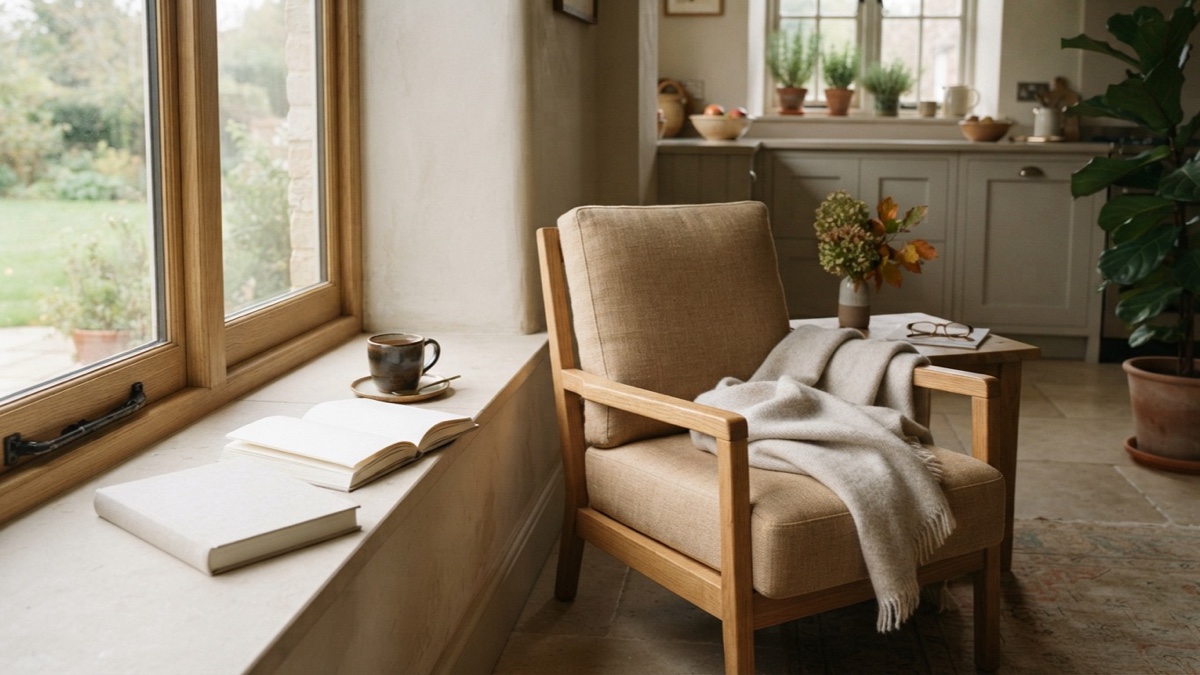
Home as a living culture
The book explored seasonal rhythms, traditions, celebration, story, play, beauty, gratitude, generosity, and the ways a household can help people feel rooted. It treated home as more than shelter and more than appearance.
That idea met something already present in me. My professional work had taught me how to design and build houses. Homemaking was teaching me that the physical structure could support a culture, but it could not create one by itself.
A life-giving home develops through what people repeatedly practice. It is formed by the meals, words, music, boundaries, celebrations, responsibilities, and small acts of care that teach people what belonging feels like.
Meaning does not require extravagance
One reason the idea mattered to me was its accessibility. A meaningful home did not have to be created through expense or showmanship. Beauty could be seasonal food, a book read aloud, music in the room, a table used often, or a tradition simple enough to remember and repeat.
That distinction remains important. If a home has to be expensive before it can give life, most people are excluded from the beginning. I do not believe that. A person can create welcome, rhythm, attention, and beauty in many kinds of spaces and family structures.
Influence should become something honest
I do not want Botanic Living to imitate another writer’s voice or reproduce someone else’s framework. Influence is most useful when it helps us recognize our own calling more clearly.
For me, that means developing these ideas through my actual life in Central Texas: the heat that changes our seasons, the meals we really make, the books and music in our rooms, the porch, the garden, the work of building a company, and the people who give the home its meaning.
It also means keeping the invitation inclusive. Faith has been part of many traditions around home, but no reader should feel that Botanic Living requires one religious background, one family structure, one gender role, or one stage of life before they can create a place of belonging.
What I want to carry forward
I want to carry forward the belief that household practices matter. Rhythms matter. Traditions matter. Attention matters. The tone of a room, the way people repair after conflict, the invitation to gather, and the permission to enjoy beauty all shape a life over time.
A life-giving home is not a perfect home. It is a place where people keep practicing the values they want the household to hold.
That idea helped me understand homemaking differently years ago. It still helps me understand what Botanic Living can become now.
With love and intention,
Jennifer