
November 16, 2026
A full grocery bag has a way of exposing every awkward shelf decision in the refrigerator. The tall bottle has nowhere to stand. The leftovers are behind the produce. The new carton is balanced in front of the old one. By the time everything is cold, the refrigerator has become a puzzle you are expected to solve while holding a package of greens.
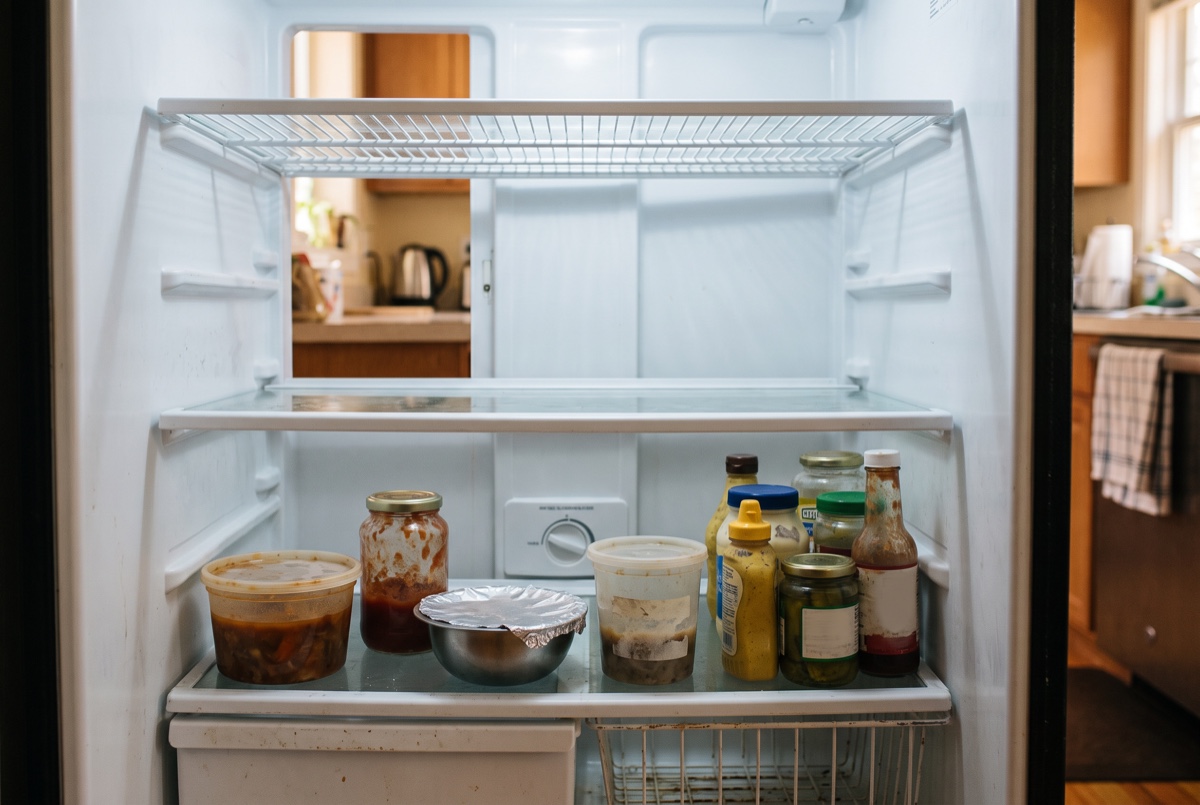
Make room before the shop. This is not a demand for an empty, color-coordinated refrigerator. It is a short reset that creates space for what you already know is coming and gives older food a fair chance to be noticed.
Begin with a quick inventory
Open the door and look before removing anything. Notice what needs to be used soon, what is already open, and what is taking up space without a clear plan. Check dates and condition according to the food’s label and your own food-safety judgment. Discard food that is spoiled or unsafe, but do not treat every imperfect-looking vegetable as a failure.
Move items that belong elsewhere. A pantry ingredient, an unopened shelf-stable package, or a dish that was left in the refrigerator out of habit may be occupying valuable cold storage. Follow the product label and food-safety guidance when deciding where something belongs. Keep perishable food cold while you work.
Use what is already open
Choose one or two small uses for food that is already open. This might mean adding the remaining herbs to dinner, putting a partial container where it will be seen, or planning a breakfast around the yogurt that has been waiting. The goal is not to invent an elaborate menu. It is to reduce the number of half-decisions competing with the next shop.
Combine leftovers only when you can identify them clearly and the food remains suitable to combine. Keep different foods separate when their textures, flavors, or storage needs make that wiser. Use clean containers, cover food properly, and refrigerate promptly according to food-safety guidance.
Clear one useful zone
Do not empty the entire refrigerator unless it genuinely needs a full cleaning. Choose one shelf or one drawer and make it workable. A clear shelf for new leftovers, a visible area for food to use first, or enough vertical room for a large container may be all you need.
Place food so the oldest suitable items are visible and the new items do not automatically hide them. Avoid overpacking the refrigerator. Cold air needs to circulate, and shelves and drawers should be used according to the appliance’s design. Do not block vents or assume every door compartment is equally cold.
Clean only where the evidence is
If a shelf has a spill, remove the affected items and clean according to the refrigerator manufacturer’s instructions. Use a food-contact-appropriate method for the surface, rinse or wipe as directed, and dry before replacing food. Do not spray cleaner around exposed food or rely on fragrance to tell you that a surface is clean.
For a generally tidy refrigerator, a full emptying can wait. The point of this reset is capacity and visibility. Chasing a spotless interior when the actual problem is a crowded shelf turns a useful preparation step into an afternoon project.
Shop for the space you made
Before leaving for the store, make a short note of the food that needs to be used first and the space that is available. If you are buying a large item, measure or remember the shelf height that will hold it. A plan that ignores the refrigerator’s actual dimensions is only a wish with groceries attached.
Think in shapes as well as ingredients. A wide casserole, a tall bottle, and a stack of small containers all ask different things of the shelves. If you know a large dish is coming, leave a horizontal space for it instead of filling that area with small items that are difficult to move. The most useful space is often an unremarkable rectangle at the front of a shelf.
Use a clean, shallow container for small items only when it improves visibility and does not crowd the cold-air path. Containers are helpful when they group a real category, such as food to use first. They are unhelpful when they turn every shelf into a tightly packed drawer.
When you return, put the new food away with the older suitable food in view. Leave a little room for the meal you will cook and the container you will need tomorrow. A refrigerator works better when it has some margin. It should store food, not test your ability to stack.