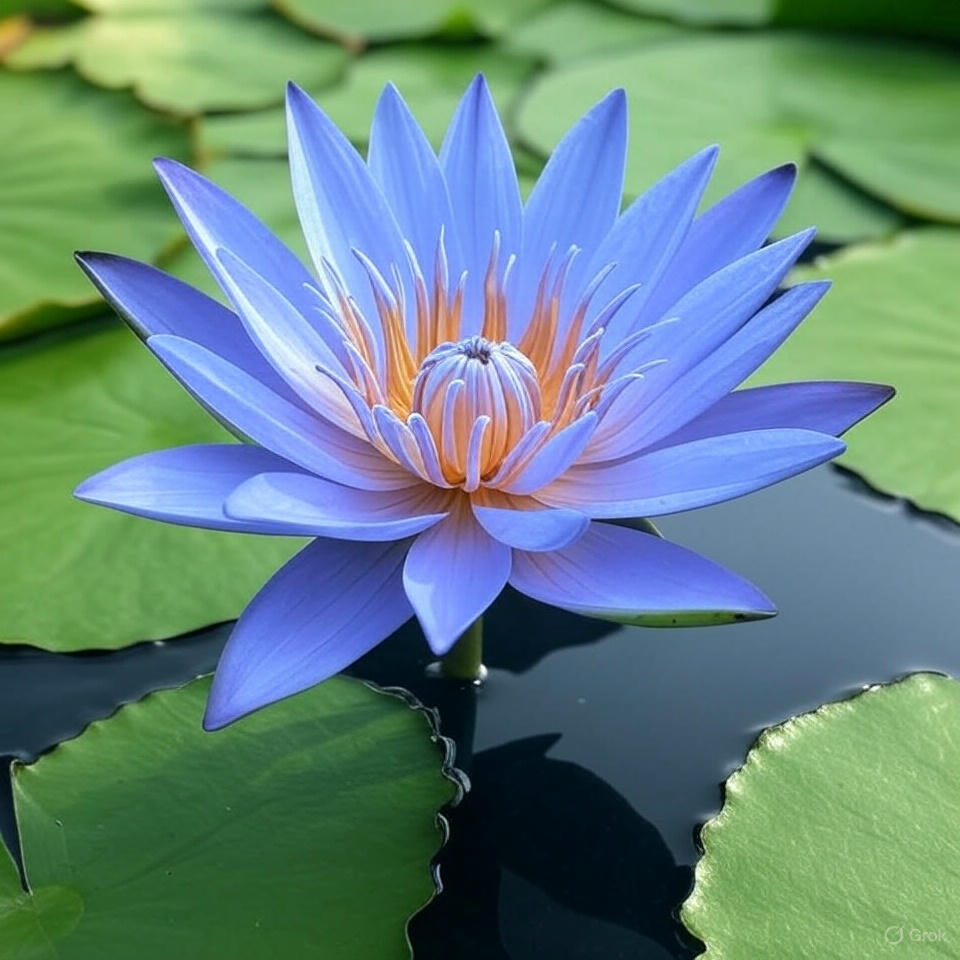
Blue lotus, also known as Nymphaea caerulea, has captivated cultures for centuries. Often associated with tranquility, symbolism, and spiritual reflection, this striking flower remains one of the most recognizable botanicals in wellness storytelling.
What Makes Blue Lotus Special?
Blue lotus has long been associated with calm, reflection, and beauty. Its delicate petals and strong historical symbolism have made it a lasting favorite in conversations around ritual, mindfulness, and plant-centered living.
Common Uses of Blue Lotus
- Tinctures: A concentrated liquid format used in wellness routines.
- Capsules: A portable option for those who prefer a measured format.
- Tablets: A simple format for people who want consistency and ease.
- Topicals: Used in creams or balms for soothing self-care rituals.
- Functional beverages: Often enjoyed in teas or elixirs for a calm, reflective experience.
- Edibles: Included in wellness treats such as gummies.
- Bakeables: Used in creative plant-based recipes.
- Smokeables: Sometimes used in aromatic blends tied to meditative practices.
Interesting Facts
- In ancient Egypt, blue lotus appeared in art, jewelry, and ceremonial imagery.
- The flower blooms during the day and closes at night, which contributed to its symbolic connection with renewal.
- Blue lotus has long been linked with celebration, ritual, and calm.
- Its rare blue petals make it one of the most visually distinctive flowers in botanical tradition.
Blue lotus remains a botanical symbol of calm, beauty, and reflection, making it easy to see why it continues to hold such a strong place in wellness culture.
Note: Always consult with a qualified medical professional for personalized advice. Our products are designed to complement a balanced wellness lifestyle.